
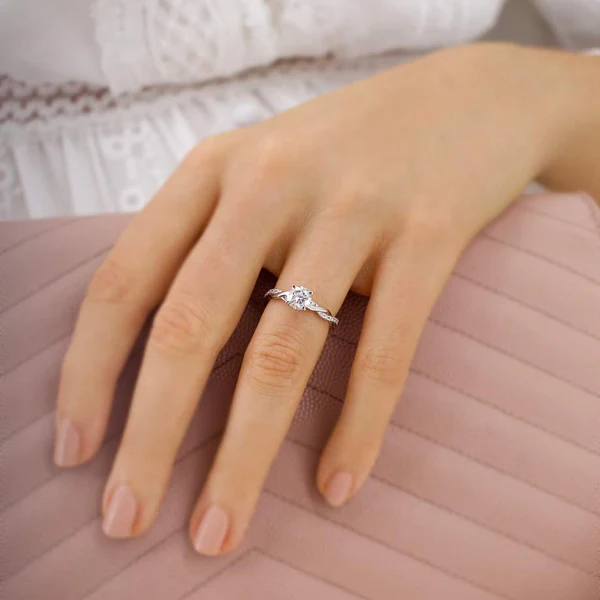
In recent years, the jewelry industry has witnessed a significant shift in consumer preferences, with many individuals seeking more ethical and environmentally friendly options. One notable name associated with this movement is Lily Arkwright, a brand known for its commitment to sustainable practices. This growing interest in sustainability has extended to engagement rings, as more couples prioritize values like environmental responsibility and social ethics when making such a meaningful purchase.
The appeal of sustainable engagement rings lies in their reduced impact on the planet and the people involved in their creation. Traditional mining for diamonds and precious metals can cause significant environmental damage, including habitat destruction, water pollution, and carbon emissions. Moreover, some mining operations have been linked to unethical labor practices and conflict financing. As awareness of these issues increases, consumers are motivated to seek alternatives that minimize harm.
Sustainable engagement rings often feature lab-grown diamonds or gemstones, recycled metals, and transparent sourcing. Lab-grown diamonds have gained popularity because they offer the same physical and chemical properties as natural diamonds but are created in controlled environments that use fewer resources and produce less waste. This technology not only reduces environmental strain but also often results in a more affordable product, making sustainable rings accessible to a wider audience.
Recycled metals play a crucial role in sustainability efforts. By repurposing gold, platinum, and silver from old jewelry or industrial sources, jewelers reduce the need for new mining and lower the carbon footprint associated with metal extraction. This practice aligns perfectly with the circular economy concept, emphasizing the reuse of materials to conserve resources.
Transparency and ethical sourcing have become non-negotiable for many consumers. They want assurance that their engagement ring has not contributed to exploitation or environmental degradation. Brands like Lily Arkwright stand out by openly sharing their supply chain information, certifications, and efforts to support fair labor practices. This openness builds trust and encourages responsible consumer behavior.
Another reason for the surge in sustainable engagement rings is the evolving mindset of younger generations. Millennials and Gen Z buyers tend to prioritize sustainability more than previous generations and often view their purchases as expressions of personal values. Choosing a sustainable engagement ring becomes a statement of commitment not only to a partner but also to the planet and future generations.
Additionally, sustainable rings often feature unique designs and a more personal touch. Because sustainable jewelers may use recycled or rare stones and metals, their creations can feel more distinctive and meaningful compared to mass-produced traditional rings. This artistic aspect appeals to couples who want something truly special and reflective of their individuality. Visit our blog for more My USA Wire.
The rise of social media and online communities has also helped accelerate the trend. As more influencers, bloggers, and everyday consumers share their experiences with sustainable jewelry, awareness and demand grow. Potential buyers can easily research and compare brands, read reviews, and feel empowered to make informed choices.
In conclusion, the increasing preference for sustainable engagement rings is driven by a combination of environmental concerns, ethical considerations, and changing consumer values. The involvement of brands like Lily Arkwright highlights the importance of transparency and responsibility in this market. As couples continue to seek ways to celebrate their love while minimizing their impact on the world, sustainable engagement rings are becoming a favored choice for a meaningful and conscientious commitment.