
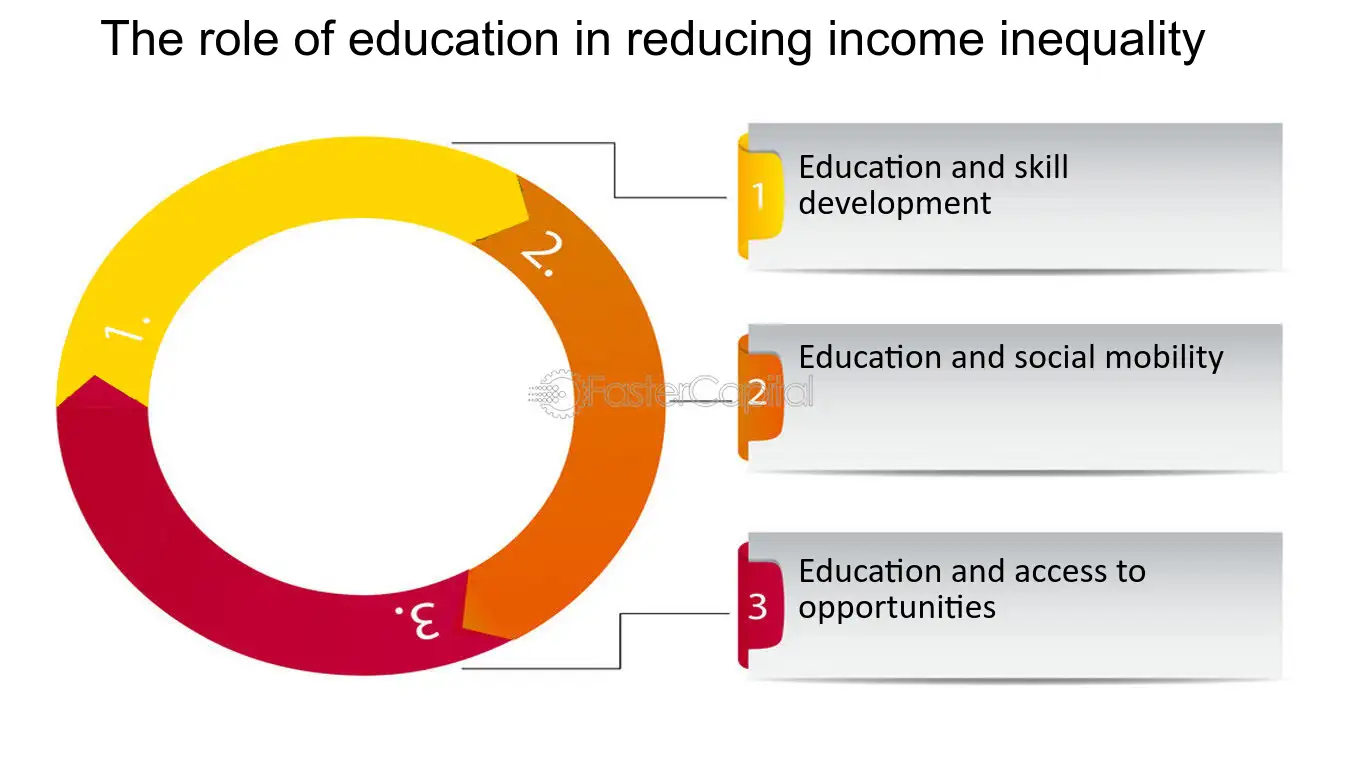
Globally, wealth inequality has been a major problem that needs to be addressed with all-encompassing and long-lasting remedies. Teaching financial literacy is one of the best strategies to address this issue. Financial literacy education can play a major role in lowering wealth inequality by giving people the information and abilities they need to handle their money sensibly. People are in a better position to enhance their financial well-being and end the cycle of poverty when they know how to budget, save, and invest.
Comprehending Financial Literacy
Budgeting, saving, investing, managing debt, and comprehending credit are just a few of the financial tools and concepts that are included in the concept of financial literacy. It gives people the ability to prepare for the future, control risks, and make well-informed financial decisions. People could find it difficult to make wise financial decisions without this fundamental understanding, which could have long-term effects on their capacity to accumulate wealth and maintain their financial security.
Understanding complex financial products, interest rate consequences, compound interest power, credit score importance, and the function of investments in wealth building are all part of financial literacy education, which goes beyond simple math. We are improving people’s long-term financial stability as well as their immediate financial decisions by teaching them on these subjects.
The Connection Between Wealth Inequality and Financial Literacy
Lack of access to financial education frequently contributes to wealth inequality. Many people lack the means or chances to learn about personal finance, particularly those from lower-income families. As a result, people could make bad financial decisions, take out high-interest loans, or just forget to save for emergencies or retirement. People may struggle to better their financial circumstances or stay in a cycle of poverty as a result.
Financially literate people, on the other hand, are more likely to make wise choices regarding debt management, investing, and saving. They may safeguard their financial futures, amass assets, and gradually increase their fortune with the use of this understanding. By providing everyone with the resources they need to succeed financially, regardless of socioeconomic background, financial literacy levels the playing field. Addressing the widening income disparity requires taking this important step.
Using Financial Literacy as an Empowerment Tool
People are empowered by financial literacy instruction because it gives them the self-assurance to take charge of their financial futures. People can make choices that increase their financial independence and security when they know how to handle their money well. For instance, being able to make and follow a budget can help people save money for future objectives like retirement, education, and home ownership.
Additionally, teaching people financial literacy helps them prepare for long-term financial success and pushes them to look beyond just surviving. It offers the groundwork for comprehending wealth-building techniques, retirement planning, and investments that can result in financial independence. As people become more adept at handling their money, they may also teach the following generation these skills, starting a financial literacy loop that eventually helps to lessen wealth disparity.
Early Financial Education’s Significance
Reducing wealth inequality requires implementing financial literacy instruction at a young age. The foundation for their financial success as adults is laid by teaching kids and teens about money management, the value of saving, and how to stay out of debt traps. Young people’s financial well-being may be impacted for some time by the better credit, savings, and investment choices they make with the aid of early financial education.
Young people who are financially literate are frequently better able to make informed judgments when they start working or go to college. They are also less prone to have financial difficulties or accrue debt. Early education fosters long-term financial security and lays the groundwork for healthy financial conduct.
The Function of Financial Knowledge in Closing the Wealth Divide
Disparities in financial resources and expertise are frequently the cause of the wealth gap that exists between various socioeconomic categories. While people from lower-income households might not have the same chances, those from wealthy families frequently have access to financial education and coaching. Wealthier people gradually accumulate more assets as a result of this disparity, while others living in poverty continue to be financially vulnerable.
By giving people from all socioeconomic levels the skills they need to succeed financially, financial literacy education helps close this gap. We may contribute to removing the obstacles that sustain wealth disparity by fostering financial literacy in areas where access to financial education has historically been limited. This involves providing community-based programs, online courses, and workshops that teach fundamental financial skills like saving, investing, and budgeting.
Employers’ and legislators’ roles in advancing financial literacy
Promoting financial literacy education also requires the active participation of employers and legislators. Employees can manage their money more effectively and experience less stress if their employers provide them with financial wellness programs and services. By offering instruction on subjects like credit management, investment techniques, and retirement planning, these programs may guarantee that staff members are equipped to make wise financial decisions.
Legislators can also enact laws that encourage financial literacy in communities, businesses, and educational institutions. Future generations will be better equipped to handle their finances if governments include financial education in school curricula. Public programs that increase access to financial knowledge can also empower marginalized communities, lowering wealth inequality and leveling the playing field.
Social Mobility and Financial Literacy
In order to improve social mobility, financial literacy is essential. People are more likely to become financially independent, have access to greater opportunities, and have better lives when they are able to handle their money well. Because those who are financially literate are better able to move up the socioeconomic ladder, this can result in increased social mobility.
People who are financially literate are able to make wise choices regarding their personal finances, investments, and jobs. Better employment opportunities, more savings, and a more stable financial future can result from this enhanced financial literacy. We can enable people to reach their financial objectives and advance a more just society by ending the cycle of financial ignorance.
The Benefits of Financial Literacy Over Time
Financial literacy has long-term advantages that go beyond one’s own financial security. A stronger, more stable economy results from more people knowing and using good financial practices. People who are financially literate are less likely to rely on government aid or get into debt traps, which can lessen society’s overall financial burden.
People can also invest in local companies, engage in charity endeavors, and give more to their communities as they build wealth via wise financial choices. This fosters a more just and prosperous society in addition to lessening income disparity.
In conclusion
One effective strategy for lowering wealth inequality is financial literacy education. We open doors to increased financial stability, wealth accumulation, and social mobility by equipping people with the information and abilities they need to handle their money wisely. Financial literacy is essential for closing the wealth gap and guaranteeing that everyone has an equal chance to thrive, whether through early education, community programs, or corporate initiatives. We are getting closer to a more just society where people from all backgrounds may flourish financially as long as we keep putting an emphasis on financial education.